How AI Can Improve Productivity Without Replacing Human Judgment
Learn how AI can improve workplace productivity while keeping human judgment, context, and accountability at the center of important decisions.
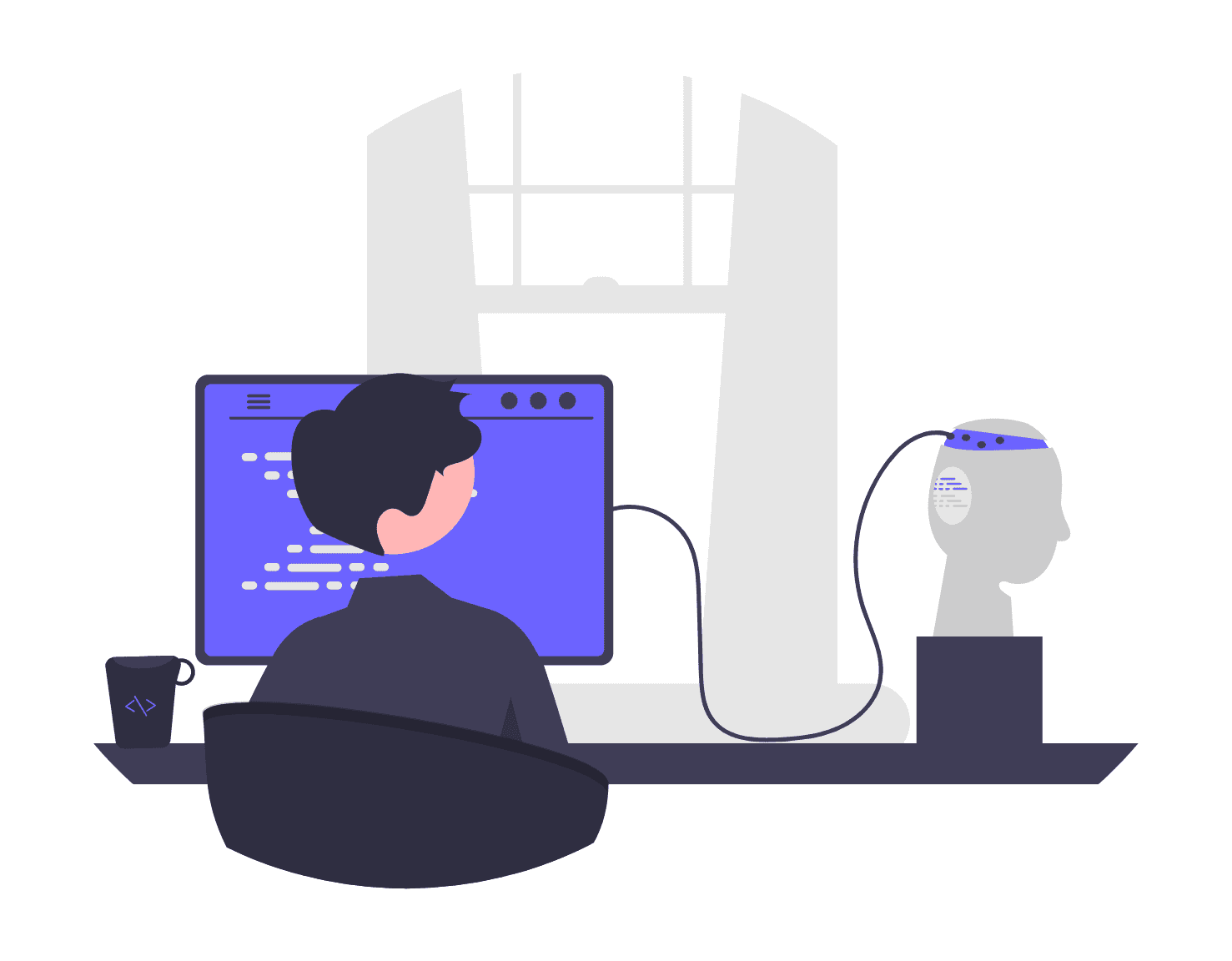
Artificial intelligence is increasingly used to save time writing emails, summarizing documents, generating ideas, and automating routine tasks.
But AI productivity is often misunderstood.
Faster output does not automatically mean better outcomes. Efficiency without judgment can introduce new risks, shallow thinking, and misplaced confidence.
As discussed in Life 3.0, intelligence—whether human or artificial—is powerful precisely because it can pursue goals efficiently. The critical question is whose goals and under whose control.
This article explains how to use AI thoughtfully: as a thinking partner that improves clarity and decision-making, not as a substitute for human responsibility.
You’ll learn when AI genuinely improves productivity, where it creates hidden risks, and how to stay in control while using it.
What Productivity with AI Really Means
Productivity with AI is not about outsourcing thinking or doing everything faster.
True productivity means:
Greater clarity
Reduced cognitive friction
Better decisions with less wasted effort
When used well, AI helps people:
Organize and structure thoughts
Explore alternative approaches
Reduce repetitive mental labor
Focus on high-value judgment and decisions
When used poorly, AI creates noise, false certainty, and shallow work.
The difference lies not in the tool, but in how humans use it.
Where AI Helps Most in Everyday Work
AI is most effective when it supports thinking rather than replaces it.
In everyday professional work, this includes:
Drafting first versions of emails, reports, or presentations
Summarizing long documents or meetings
Exploring multiple solutions to a problem
Clarifying complex or unfamiliar topics
In these areas, AI reduces mental load and friction freeing humans to evaluate, refine, and decide.
This aligns with Life 3.0’s core insight:
Intelligence is valuable not because it exists, but because it is directed wisely.
Using AI to Think Clearly — Not Just Work Faster
One of AI’s most valuable roles is as a thinking aid.
Instead of asking AI for final answers, use it to:
Ask better questions
Challenge assumptions
Compare perspectives
Test and refine reasoning
This treats AI as a collaborative assistant, not an authority.
Productivity improves not because thinking is automated, but because thinking becomes more deliberate and structured.
Common Mistakes When Using AI for Productivity
Most productivity failures with AI come from misuse, not from the technology itself.
Common mistakes include:
Treating AI outputs as final answers
Ignoring AI’s limitations and uncertainty
Prioritizing speed over accuracy
Delegating decisions that require human judgment
These habits reduce critical thinking and create overconfidence—the opposite of meaningful productivity.
As Life 3.0 warns, intelligence without alignment can be dangerous. The same applies at the personal level.
These mistakes often lead to overconfidence, poor decisions, and long-term productivity loss.
Simple Rules to Stay in Control While Using AI
Using AI productively requires clear boundaries.
Practical principles to follow:
Use AI to assist thinking, not replace it
Verify important information independently
Keep accountability with the human, not the tool
Assume AI may be incomplete, biased, or wrong
When these rules are applied, AI becomes a clarity amplifier, not a liability.
Final Thought: Productivity Is About Judgment, Not Speed
AI can dramatically increase output—but judgment determines outcomes.
Used thoughtfully, AI enhances focus, reduces friction, and supports better decision-making without replacing human responsibility. Used carelessly, it erodes the very thinking it is meant to support.
Using AI productively is one thing. Using it responsibly is another. As AI becomes more embedded in decisions that affect real people hiring, lending, healthcare understanding the risks isn’t optional anymore.
KEY TAKEAWAY
Before you move on, pause with the central idea from this lesson and connect it to the next step in your learning path.


